Şehirde otobüs, metro, tramvay ve taksi arasında seçim yaparken karşılaştırma, üstünlük ve too/enough yapılarıyla net, doğru ve B1 düzeyinde konuşabiliriz.
Üyeler sınırsız test çözer, dersi dinler, Bir'e Bir ders alır ve ilerlemesini görür. Üye olmadan 20 dakika deneyebilirsin.
İki şeyi karşılaştırmak: comparative

CEFR B1 can-do hedefi şudur: günlük nesneleri ve ulaşım araçlarını basit sıfatlarla karşılaştırabilirim. İngilizcede kısa, tek heceli sıfatların sonuna -er gelir. fast (telaffuz: fast) sıfatı faster (fastır) olur. cheap (çiip) sıfatı cheaper (çiipır) olur. İki heceli ve -y ile bitenlerde y harfi i olur: easy (iizi) olur easier (iiziır). Üç heceli veya uzun sıfatlarda sıfatın önüne more (mor) koyarız: more expensive (mor ikspensiv), more comfortable (mor komfırtıbıl). Karşılaştırmanın ikinci tarafını than (den, zayıf okunuşu dın) bağlar.
Türkçedeki -den/-dan ekinin karşılığı than dir, from değildir. Örnek: The bus is cheaper than the taxi. (Otobüs taksiden daha ucuzdur.) Soru aynı kalıpla kurulur: Is the metro faster than the tram? (Metro tramvaydan daha hızlı mı?) Kısa sıfatta son ses ünlü artı ünsüzse harf çiftlenir: big olur bigger (bigır), hot olur hotter (hatır). Dünyada bu konu sıkça görsel ölçekler, iki fotoğraf ve şehir haritalarıyla öğretilir; öğrenci iki durağı, iki mahalleyi veya iki aracı tartar. Eşitlik kalıbı as ... as (ez ... ez) B1'de hatırlanır ama bu ünitenin omurgası -er / more ... than dir.
Örnek
Somut olay: Elif ve Can aynı durakta bekler. Elif: The next bus is slower than the metro, but it is cheaper. (Sonraki otobüs metrodan daha yavaş ama daha ucuz.) Can: I know. The metro is more crowded than the bus at this hour. (Biliyorum. Metro bu saatte otobüsten daha kalabalık.) Telaffuz: crowded = kraudıd, hour = auır.
Şehir araçlarını karşılaştırmak
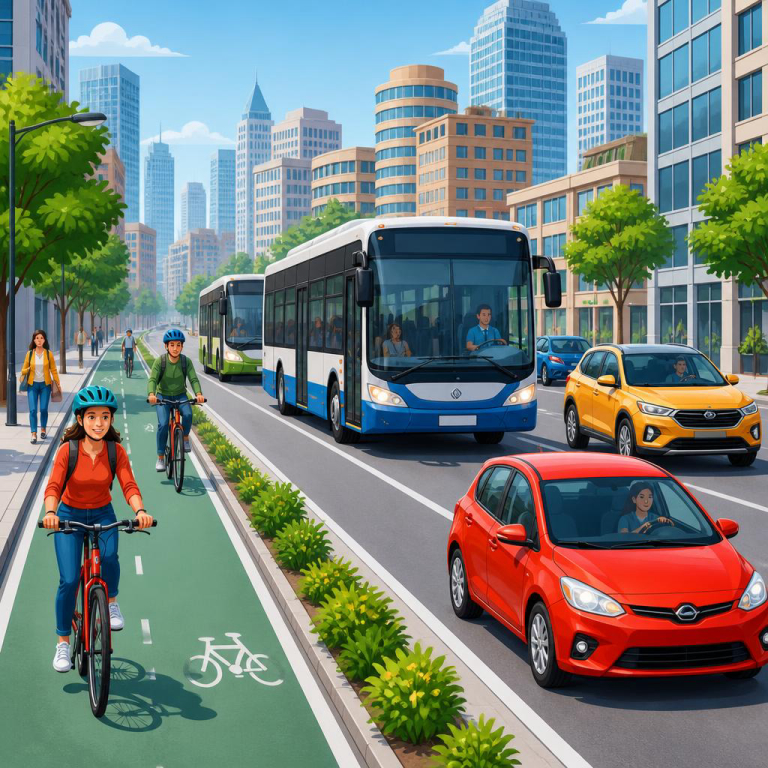
Şehir yaşamında en sık karşılaştırılan şeyler hız, fiyat, konfor ve kalabalıktır. B1 kelime dağarcığı yeter: bus (bas), metro (metrou), tram (trem), taxi (teksi), bike (bayk), on foot (on fut). Sıfatlar: fast / slow (fast / slou), cheap / expensive (çiip / ikspensiv), comfortable (komfırtıbıl), crowded (kraudıd), convenient (kınviiniınt), safe (seyf). Kısa sıfat artı -er than, uzun sıfat artı more ... than. less (les) daha az demektir: less crowded than the metro (metrodan daha az kalabalık).
Düzensiz sıfatlar B1'de ezberlenir çünkü her gün çıkar: good olur better (bedır), bad olur worse (vörs), far olur farther veya further (faadır / fördır). A taxi is better than walking when it rains. (Yağmur yağınca taksi yürümekten daha iyidir.) Traffic is worse in the city centre than in the suburbs. (Trafik şehir merkezinde banliyöden daha kötüdür.) İngilizcedeki -er eki Cermence kökenlidir; more uzun sıfatlar çoğaldıkça yerleşmiştir. Öğrencinin bilmesi gereken bugünkü kuraldır: kısa sıfatta ek, uzun sıfatta more, iki taraf arasında than.
Örnek
Kısa diyalog. A: Is the tram more convenient than the bus? (Tramvay otobüsten daha pratik mi?) B: Yes. It is faster and less crowded. (Evet. Daha hızlı ve daha az kalabalık.) A: But the bus is cheaper than the tram in my city. (Ama benim şehrimde otobüs tramvaydan daha ucuz.) Telaffuz: convenient = kınviiniınt, tram = trem.
En iyiyi söylemek: superlative
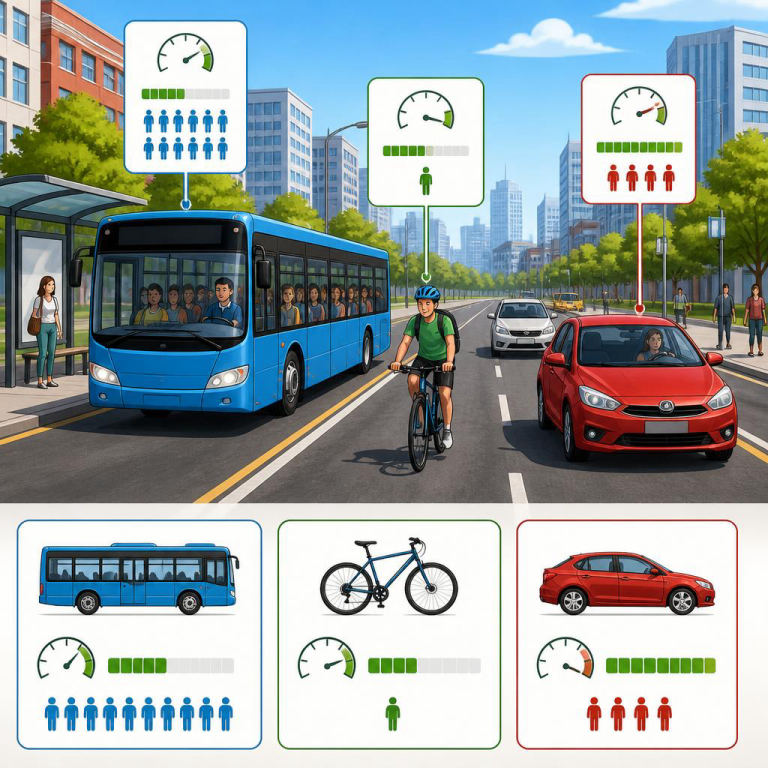
Üç veya daha fazla şeyi karşılaştırırken superlative kullanırız. Can-do: bir gruptaki en hızlı, en ucuz veya en konforlu seçeneği adlandırabilirim. Kısa sıfat: the ...-est. fast olur the fastest (dı fastıst). cheap olur the cheapest (dı çiipıst). Uzun sıfat: the most ... (dı moust). the most expensive (dı moust ikspensiv), the most comfortable (dı moust komfırtıbıl). Düzensizler: the best (dı best), the worst (dı vörst), the farthest / the furthest. the (dı) artikeli superlative'in neredeyse her zaman parçasıdır.
Türkçede en derken article yoktur; bu yüzden the unutulur. Kapsamı in veya of ile veririz: the fastest metro in the city (şehirdeki en hızlı metro), the cheapest of the three tickets (üç biletin en ucuzu). Olumsuz uç için the least (dı liist) kullanılır: the least crowded train (en az kalabalık tren). Sınıfta bu yapı tablo ve sıralama ile öğretilir: üç hattı hız, fiyat ve konfora göre dizeriz. Superlative bir yarış sonucu gibidir; comparative ise yalnızca iki adayı yan yana koyar. This line is faster than that line iki hattı, This is the fastest line in the city bütün şehri konuşur.
Örnek
Metin örneği. In this city the metro is the fastest way to the airport in the morning. The bus is the cheapest, but it is the slowest. A taxi is the most comfortable, but it is the most expensive. (Bu şehirde sabah havaalanına en hızlı yol metro. Otobüs en ucuzu ama en yavaşı. Taksi en konforlusu ama en pahalısı.) Telaffuz: airport = eaport, morning = morning.
Too ve enough: fazla ve yeterli
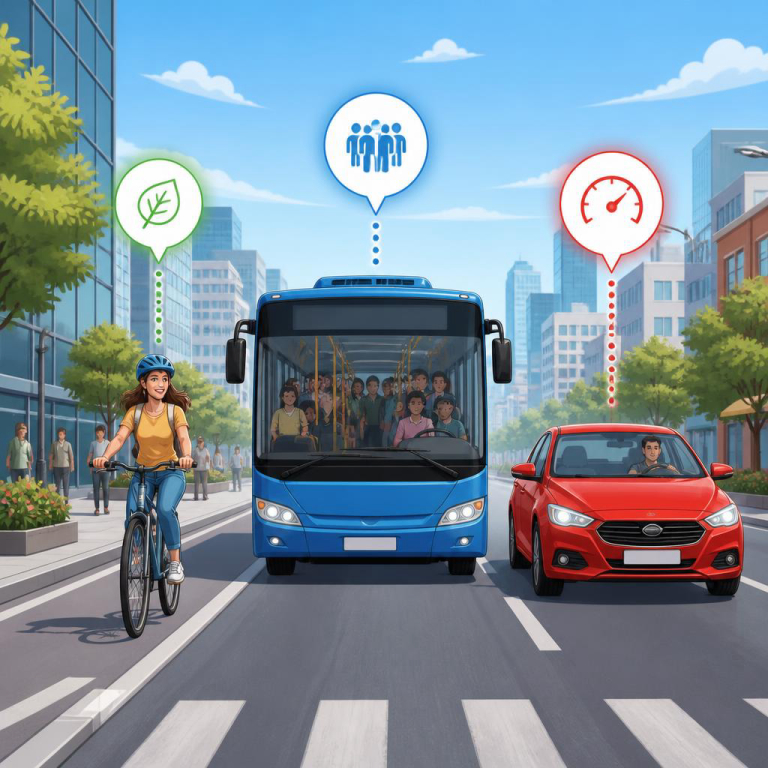
too (tuu) fazla, aşırı demektir ve genelde olumsuz sonuç ima eder. Kalıp: too artı sıfat. The bus is too crowded. (Otobüs fazla kalabalık.) The ticket is too expensive for me. (Bilet benim için fazla pahalı.) too ile very (veri) karıştırılmaz: very sadece vurgu yapar, sorun bildirmez. The metro is very fast övgüdür; The metro is too fast to read the map sorundur. enough (inaf) yeterli demektir. Sıfattan SONRA gelir: sıfat artı enough. The train is fast enough. (Tren yeterince hızlı.) This bag is not big enough for my books. (Bu çanta kitaplarım için yeterince büyük değil.)
İsimlerle enough isimden ÖNCE durur: enough money (inaf mani), enough time (inaf taym). Fiilden sonra to artı fiil gelebilir: too tired to walk (yürümek için fazla yorgun), old enough to drive (sürmek için yeterince büyük). Can-do: bir ulaşım seçeneğinin neden işe yaramadığını too ve enough ile açıklayabilirim. Günlük hayatta bu iki kelime şikayet ve karar cümlelerinin kalbidir: The platform is too far. We do not have enough time for the tram. too much isimlerle gider: too much traffic (fazla trafik). Sıfatla yalnız too yeter: too slow.
Örnek
Diyalog. A: Let's take a taxi. (Taksiye binelim.) B: It is too expensive. The metro is cheap enough and it is fast enough. (Fazla pahalı. Metro yeterince ucuz ve yeterince hızlı.) A: But the metro is too crowded at eight o'clock. (Ama metro saat sekizde fazla kalabalık.) B: Then we can go by bike if the weather is good enough. (O zaman hava yeterince iyiyse bisikletle gidebiliriz.)
Türkçe konuşanların sık yaptığı hatalar
Türkçede daha hızlı derken sıfatın kendisi değişmez, daha eklenir. Bu yüzden öğrenciler more fast yazar; doğrusu faster dir. Aynı şekilde more better veya the most fastest çift karşılaştırmadır ve yanlıştır. Türkçedeki -den eki İngilizceye from diye çevrilir; oysa comparative'de than gerekir. Superlative'de the unutulur: metro is fastest yerine The metro is the fastest denmelidir. Kısa sıfat listesini ( fast, cheap, big, slow, safe, close, far ) bir kartta tutmak bu hatayı keser.
enough konumu ikinci büyük tuzaktır. Türkçe yeterince konforlu sırası, öğrenciyi enough comfortable yazmaya iter; doğrusu comfortable enough tir. too ile very ve so karışır: The bus is too nice genelde tuhaf kaçar çünkü too sorun bildirir. too much isimlerle, too sıfatlarla gider. Bir başka kayma: Türkçe en güzel otobüs derken article yoktur; İngilizcede the most beautiful bus veya kısa sıfatta the nicest bus gerekir. Çözüm üç denetimdir: kısa mı uzun mu, than var mı, superlative'de the var mı. Bu hatalar sondan eklemeli anadili olan birçok öğrencide de görülür; utanç değil, beklenen bir aşamadır.
Örnek
Yanlış: The taxi is more fast from the bus and it is enough cheap. Doğru: The taxi is faster than the bus, but it is not cheap enough. (Taksi otobüsten daha hızlı ama yeterince ucuz değil.) Yanlış: This is the most cheapest ticket. Doğru: This is the cheapest ticket. Yanlış: The station is too much far. Doğru: The station is too far.
Şehirde bir öğleden sonra: pratik diyalog

Karşılaştırma, üstünlük, too ve enough aynı konuşmada yan yana gelir. Can-do hedefi: kısa bir şehir planı yapıp seçimimi gerekçelendirebilirim. Kalıplar: A is ...er than B, A is more ... than B, A is the ...est in ..., A is too ..., A is ... enough. Telaffuzda than çoğu zaman zayıf okunur (dın). the ünlüden önce di olur: the airport = di eaport. Sık yanlış anlama: comparative sadece daha iyi sanılır; oysa worse, slower, less convenient de comparative'dir. Olumsuz karşılaştırma da B1 hakkıdır.
Günlük yerler: durak, bilet gişesi, uygulama yorumu, misafire yol tarifi. Which is better for you, the bus or the tram? nazik bir seçim sorusudur. Cevap gerekçe ister: fiyat, süre, kalabalık, yağmur. Bir sonraki adımda (B2) much faster, a bit cheaper, by far the best gibi derece belirteçleri gelir; şimdilik net, kısa, doğru cümle yeter. Konunun dünyadaki yeri basittir: insanlar her dilde iki yolu tartar. İngilizce bunu ek veya more ile yapar. Öğrenci bu üniteden sonra bir şehir kartı yazabilir: en hızlı hat, en ucuz bilet, fazla kalabalık saat, yeterince yakın durak.
Örnek
Diyalog. Mert: How can we get to the museum? (Müzeye nasıl gideriz?) Eda: The tram is the most convenient. It is faster than the bus and cheaper than a taxi. (Tramvay en pratik olanı. Otobüsten daha hızlı, taksiden daha ucuz.) Mert: Is it too far to walk? (Yürümek için fazla uzak mı?) Eda: Yes. It is not close enough. The tram stop is better. (Evet. Yeterince yakın değil. Tramvay durağını kullanmak daha iyi.)
Sık yapılan yanlışlar
- Yanlış: more fast, more cheap veya more better yazmak Doğrusu: Kısa sıfatta yalnız -er kullanılır: faster, cheaper. Düzensizde yalnız better vardır; more eklenmez.
- Yanlış: Karşılaştırmada from kullanmak: faster from the bus Doğrusu: Türkçedeki -den eki burada than olur: faster than the bus.
- Yanlış: Superlative'de the unutmak veya the most cheapest demek Doğrusu: Kısa sıfatta the cheapest, uzun sıfatta the most expensive denir; ikisi birden kullanılmaz.
- Yanlış: enough comfortable veya too much slow yazmak Doğrusu: Sıfatta sıra comfortable enough ve too slow dur. too much isimledir: too much traffic.
- Yanlış: too ile very yi aynı sanmak Doğrusu: very vurgu yapar, too fazla olduğu için sorun bildirir. The bus is very crowded betimlemedir; too crowded binmeme gerekçesidir.
Bir adım ileri
Bir üst dil düzeyinde (B2) karşılaştırma yalnız -er ve the most ile kalmaz. much faster, a bit cheaper, far more comfortable, by far the worst gibi derece sözcükleri eklenir. The more crowded the metro is, the slower we move tipi bağlı cümleler ve zarf karşılaştırması (more carefully, better as adverb) gelir. Şehir teması da genişler: çevre, bisiklet yolları, gece tarifesi. B1'de doğru kısa cümle; B2'de nüans ve gerekçe zinciri beklenir.
Özet
İki şeyi -er / more ... than ile, üç ve daha fazlasını the ...-est / the most ile karşılaştırırız. too fazlalığı ve sorunu, enough yeterliliği anlatır; sıfatta enough sonda durur. Şehir ulaşımında bu dört araç, B1 öğrencisinin durakta, gişede ve yol tarifinde bağımsız konuşmasını sağlar.