Diplomatic objections and face-saving phrases are essential tools in international relations to express disagreement respectfully and maintain positive relationships.
Üyeler sınırsız test çözer, dersi dinler, Bir'e Bir ders alır ve ilerlemesini görür. Üye olmadan 20 dakika deneyebilirsin.
Introduction to Diplomatic Language

Diplomatic language is a special form of communication used by diplomats to manage sensitive discussions between countries. It is characterized by politeness, indirectness, and careful word choice to avoid conflict.
In the image, we see a meeting room where diplomats gather to negotiate and discuss important international issues. Such settings require the use of diplomatic language to maintain professionalism and respect.
Örnek
For example, instead of saying 'Your proposal is wrong,' a diplomat might say, 'We have some reservations regarding the proposal.' This softens the objection and keeps the dialogue open.
Common Diplomatic Objections

Diplomatic objections are carefully phrased statements that express disagreement or concern without offending the other party. They often use indirect language and polite expressions.
Typical phrases include 'We note with concern,' 'It appears that,' or 'We respectfully disagree.' These phrases signal disagreement while preserving respect and cooperation.
Örnek
In a letter, a diplomat might write: 'We note with concern the recent developments and hope for a reconsideration of the proposed measures.' This expresses objection without direct confrontation.
Face-Saving Phrases in Diplomacy
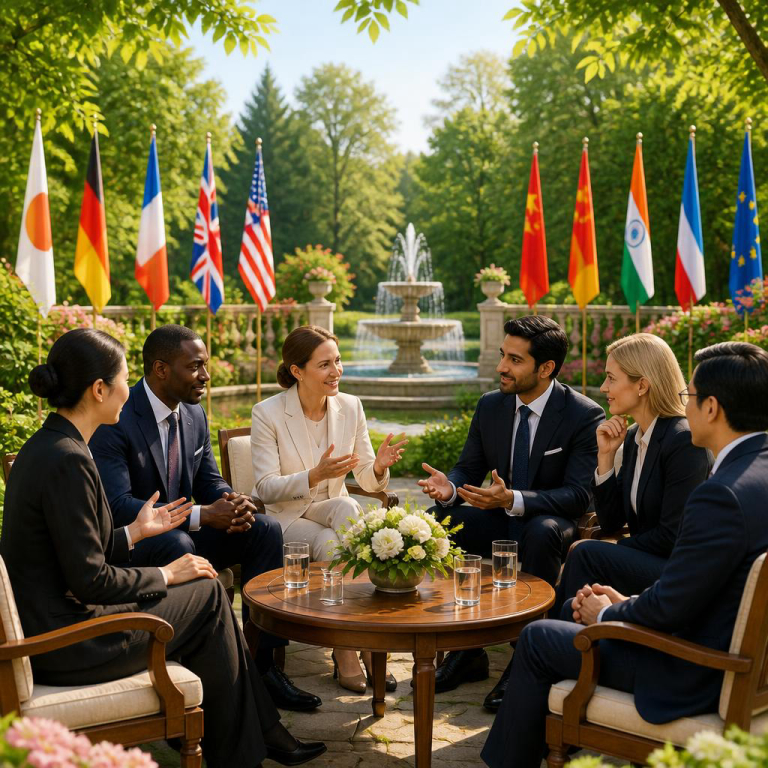
Face-saving phrases help maintain dignity and respect when disagreements arise. They prevent parties from losing face, which is crucial in maintaining long-term relationships.
Examples include 'We appreciate your efforts,' 'We understand your position,' and 'Perhaps we can explore alternative solutions.' These soften the impact of objections and encourage cooperation.
Örnek
During a discussion, a diplomat might say: 'While we see the merit in your proposal, perhaps we could consider additional perspectives to reach a consensus.' This phrase respects the other party's ideas while suggesting further discussion.
Strategies for Effective Diplomatic Communication
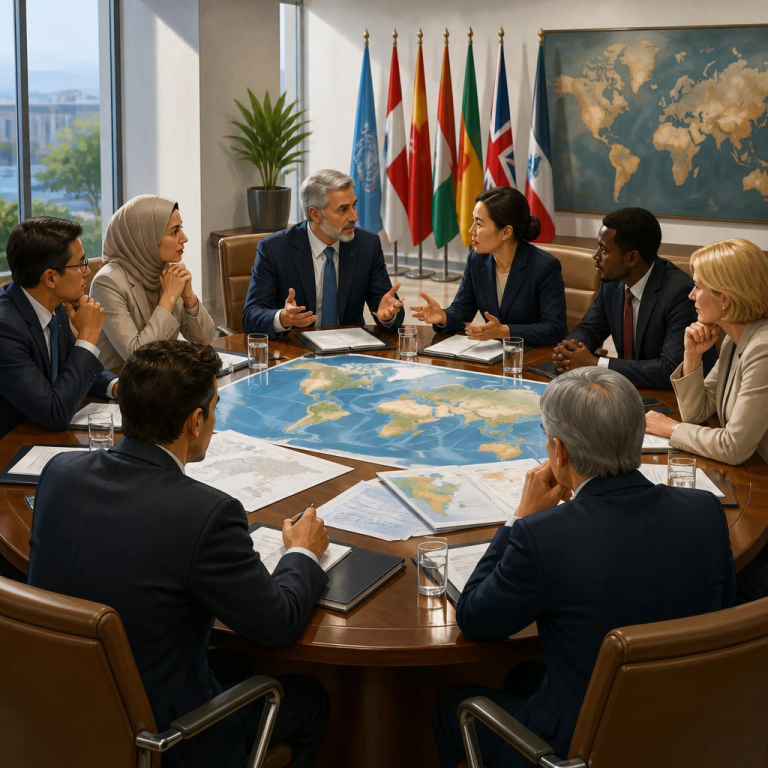
Effective diplomatic communication involves balancing honesty and tact. Diplomats must convey their country's position clearly but without alienating others.
Using formal letters, carefully chosen words, and a respectful tone helps to maintain dialogue and avoid escalation. Written objections often use passive voice and modal verbs like 'might' or 'could' to soften statements.
Örnek
A diplomat might write: 'It might be advisable to reconsider the terms outlined in the agreement to better reflect mutual interests.' This suggests a change without direct criticism.
Practical Applications and Role-Play
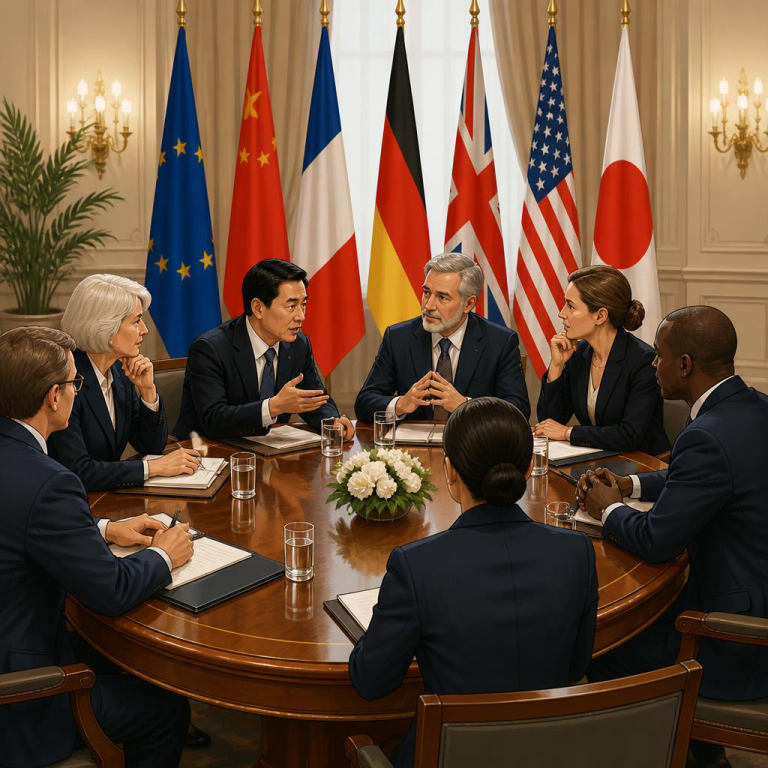
Diplomatic objections and face-saving phrases are practiced in role-plays and simulations to prepare diplomats for real negotiations. These exercises help build skills in expressing disagreement politely and finding common ground.
Understanding cultural differences in communication styles is also important, as what is considered polite in one culture may differ in another. Diplomats learn to adapt their language accordingly.
Örnek
In a role-play, one diplomat might say: 'We respectfully disagree with the proposed timeline and suggest an extension to ensure thorough review.' The other might respond: 'We appreciate your concerns and are open to discussing a feasible schedule.' This exchange models diplomatic objection and face-saving.
Sık yapılan yanlışlar
- Yanlış: Diplomatic objections mean direct confrontation and harsh criticism. Doğrusu: In reality, diplomatic objections are indirect and polite to avoid conflict and maintain relationships.
- Yanlış: Face-saving phrases are just empty compliments with no real purpose. Doğrusu: They serve an important role in preserving dignity and encouraging cooperation during disagreements.
- Yanlış: Using diplomatic language means avoiding all disagreements. Doğrusu: Diplomatic language allows expressing disagreement respectfully and constructively.
- Yanlış: Only diplomats need to learn diplomatic objections and face-saving phrases. Doğrusu: These skills are valuable in any professional or intercultural communication setting.
- Yanlış: Diplomatic objections are always vague and unclear. Doğrusu: They are carefully worded to be clear but polite, balancing honesty and tact.
Bir adım ileri
At a higher level, students explore the historical evolution of diplomatic language and study real diplomatic correspondences and treaties. They analyze how diplomatic language varies across cultures and contexts and practice advanced negotiation strategies involving complex face-saving techniques and conflict resolution.
Özet
Diplomatic objections and face-saving phrases are key to maintaining respectful international relations. They allow diplomats to express disagreement politely and preserve mutual respect. Mastering these phrases is essential for effective communication in diplomacy and beyond.